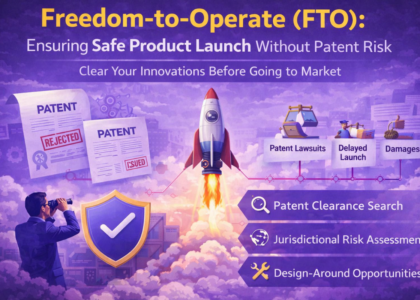

Patent litigation is a complex legal process where a patent owner enforces their intellectual property rights by suing another party for unauthorized use of their invention. These cases are often high-stakes, involving significant financial damages and the potential for injunctions that can halt product sales. For many companies, a single litigation case can define their market position for years to come.
Key Stages of Patent Litigation
The process typically begins with a complaint, where the plaintiff outlines the alleged infringement. This is followed by discovery, an extensive phase where both sides exchange evidence, including internal documents and technical specifications. A unique and critical phase is the Markman Hearing, where the court determines the exact meaning of the patent’s claims. This interpretation often decides the outcome of the case before it even reaches trial, as it defines the boundaries of the intellectual property in question.
The Role of Expert Witnesses
Because patent cases often involve highly technical subject matter, expert witnesses play a pivotal role. These individuals help the court and jury understand complex technologies, from pharmaceutical formulas to software algorithms. Their testimony can be the deciding factor in proving whether a product truly mirrors a patented invention or if a patent should have been granted in the first place.
Defenses and Resolutions
Defendants often counter by arguing that the patent is invalid—perhaps due to prior art that the patent office missed—or that their product does not infringe the specific patent claims. Because of the immense costs and risks involved, many patent disputes are resolved through settlements or licensing agreements rather than a final jury verdict. These settlements allow companies to avoid the uncertainty of a trial while finding a mutually beneficial path forward.
Understanding the nuances of patent law is essential for any technology-driven business looking to protect its innovations or navigate a competitive landscape. Staying informed about current litigation trends can help businesses mitigate risk and strengthen their own IP portfolios.